
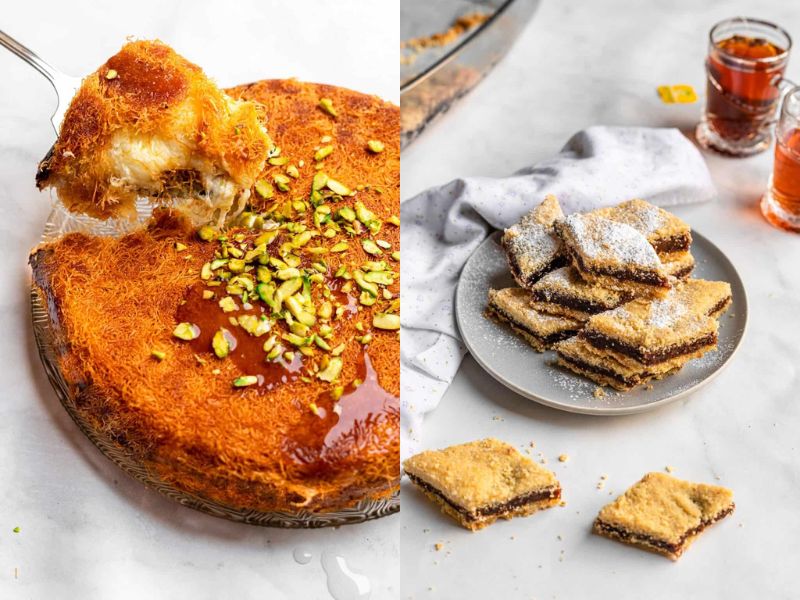
Ramadan is a special occasion to savour the delicious, traditional sweets of the Arab world. These sweet delights provide energy and the calories needed to sustain the body while fasting during Ramadan.
Luqaimat
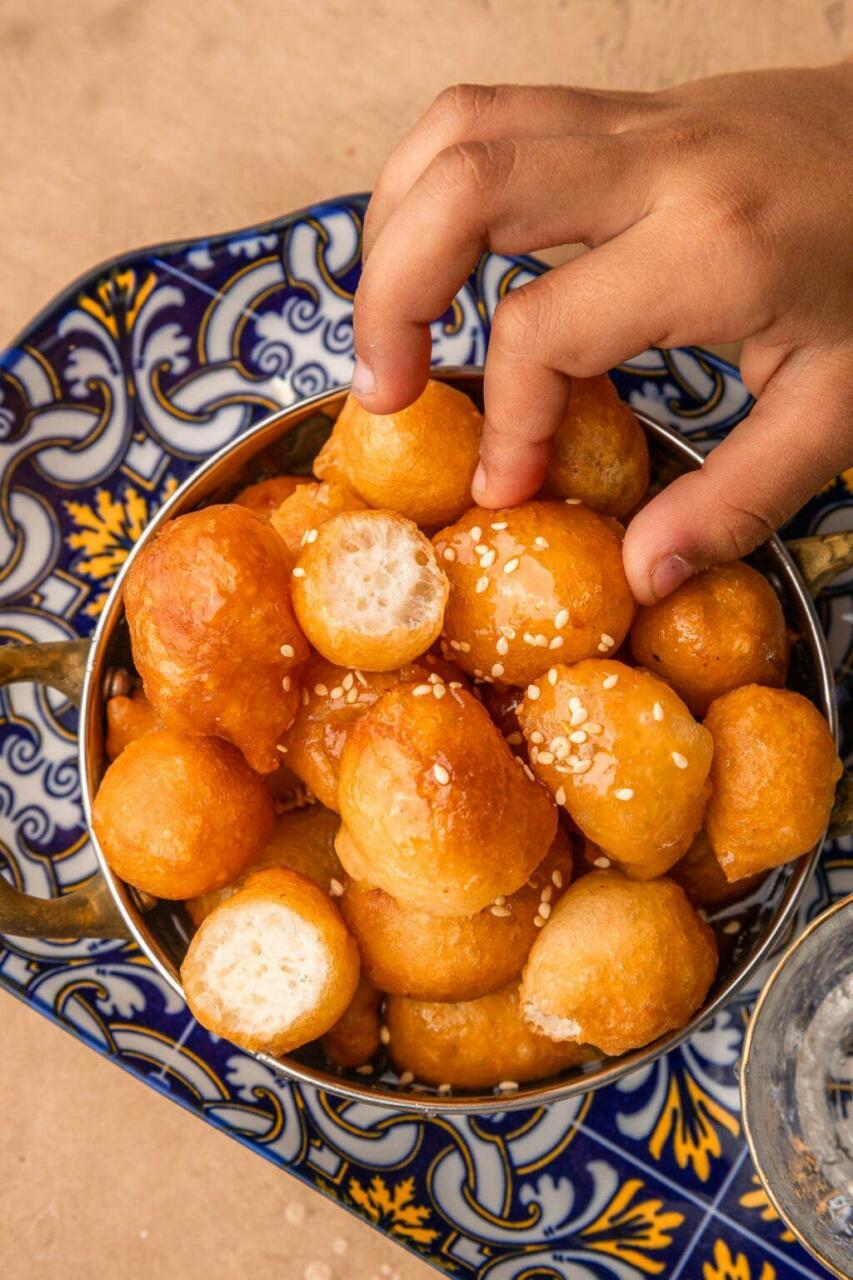
Ramadan is the best time to have some Luqaimat (meaning “bite-sized” in Arabic), a delicious dumpling made of flour, sugar, starch, saffron, cardamom powder and dry yeast, rolled in date syrup and sprinkled with date molasses and/or sesame seeds.
Assidat al-Boubar
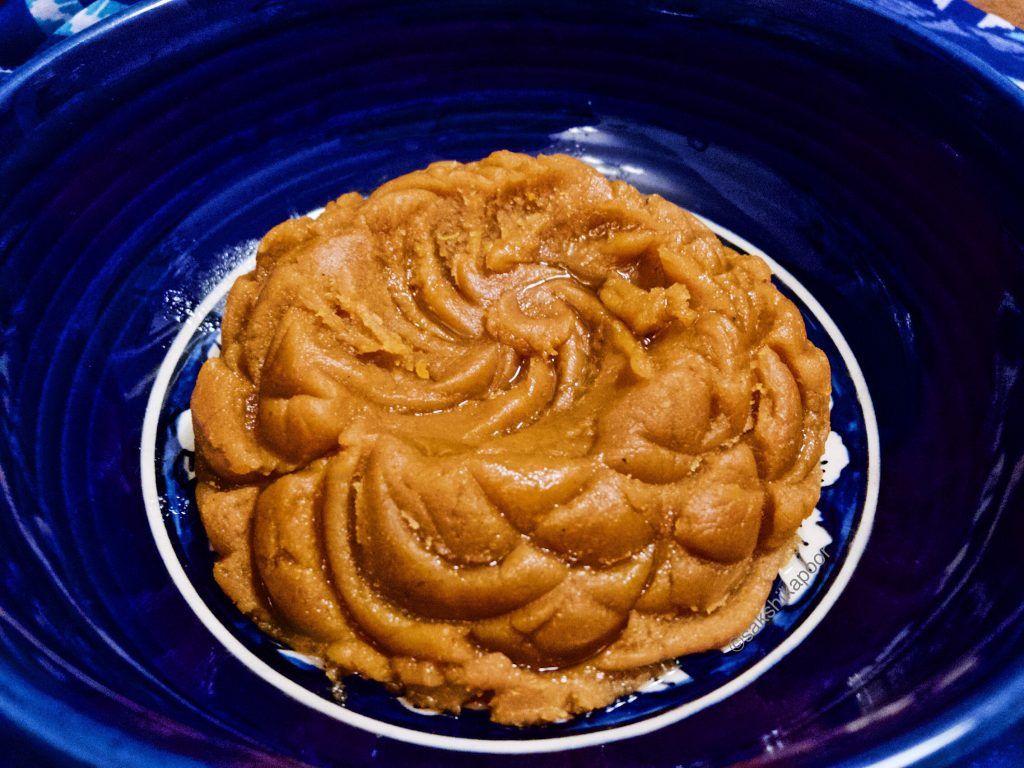
Assidat al-Boubar (more commonly known as Aseeda) one of the traditional sweets, is served widely during Ramadan and Eid and is the best option for those who don’t want an overtly sweet dessert. This luscious pumpkin porridge is mildly sweet and cooked with milk, sugar, almond flour, butter, rose water, ground cardamom, almonds, raisins, and clarified butter.
Qatayef
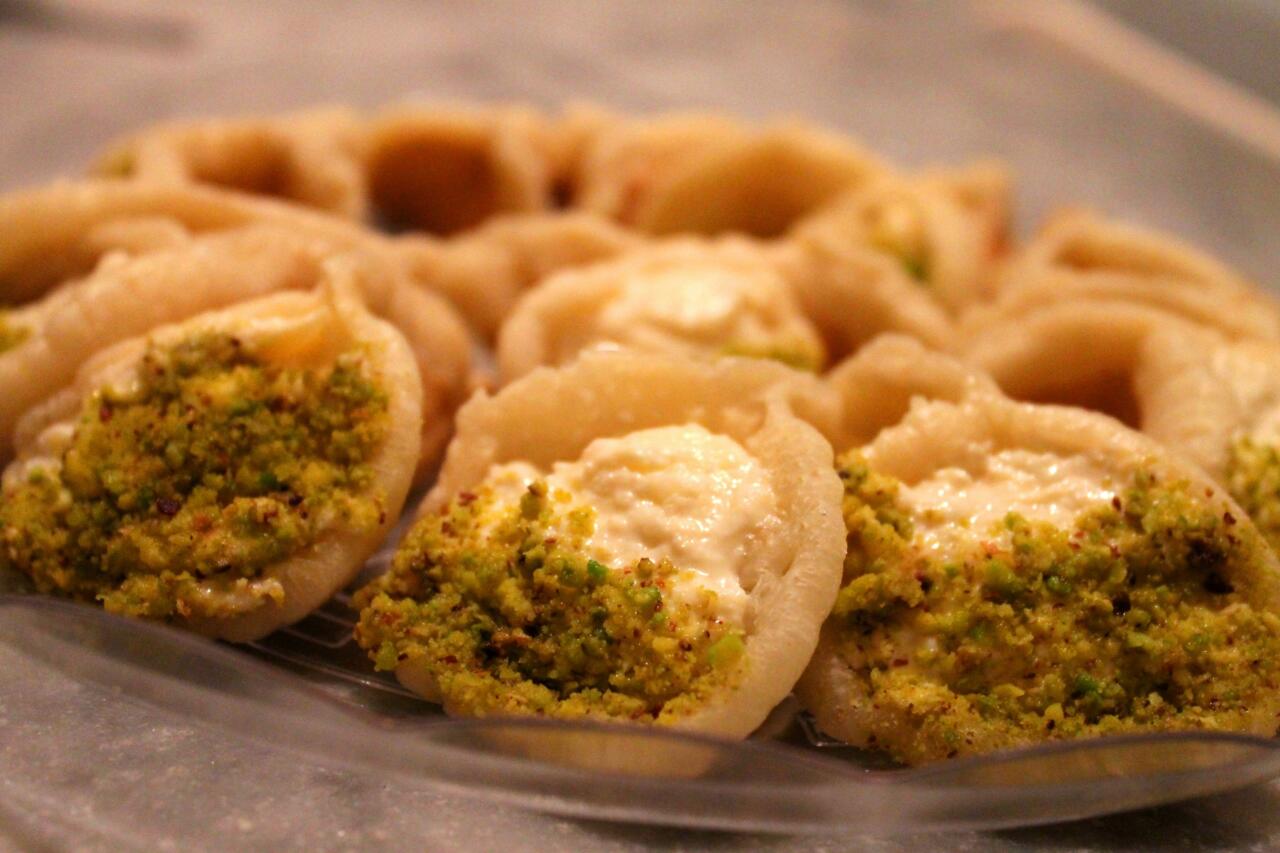
A plate of this special Arabic sweet is a must at every iftar and suhoor table! Qatayef is a pancake-like dough that can be filled with pistachios and a sugar mixture; many use Ashta (cream with rose water) or even Akkawi (sweetened cheese) as fillings. Before serving, the preparation is fried and dipped in sugar syrup.
Chebab
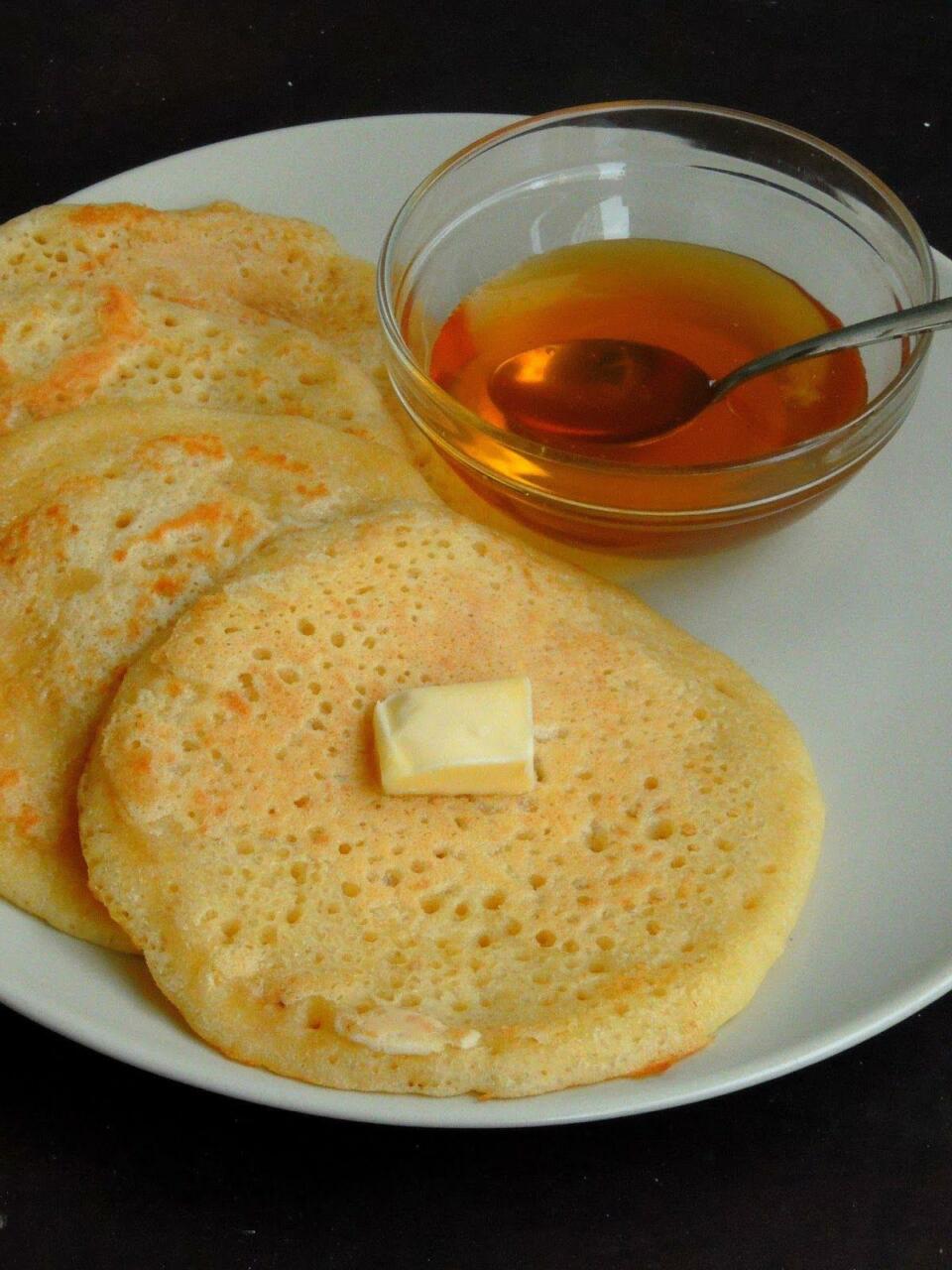
Chebab, one of the delicious sweet dishes, is an Emirati pancake combining traditional flavours of cardamom, saffron and dates, and is fried in a pan till it attains a reddish brown colour and texture.
Balaleet
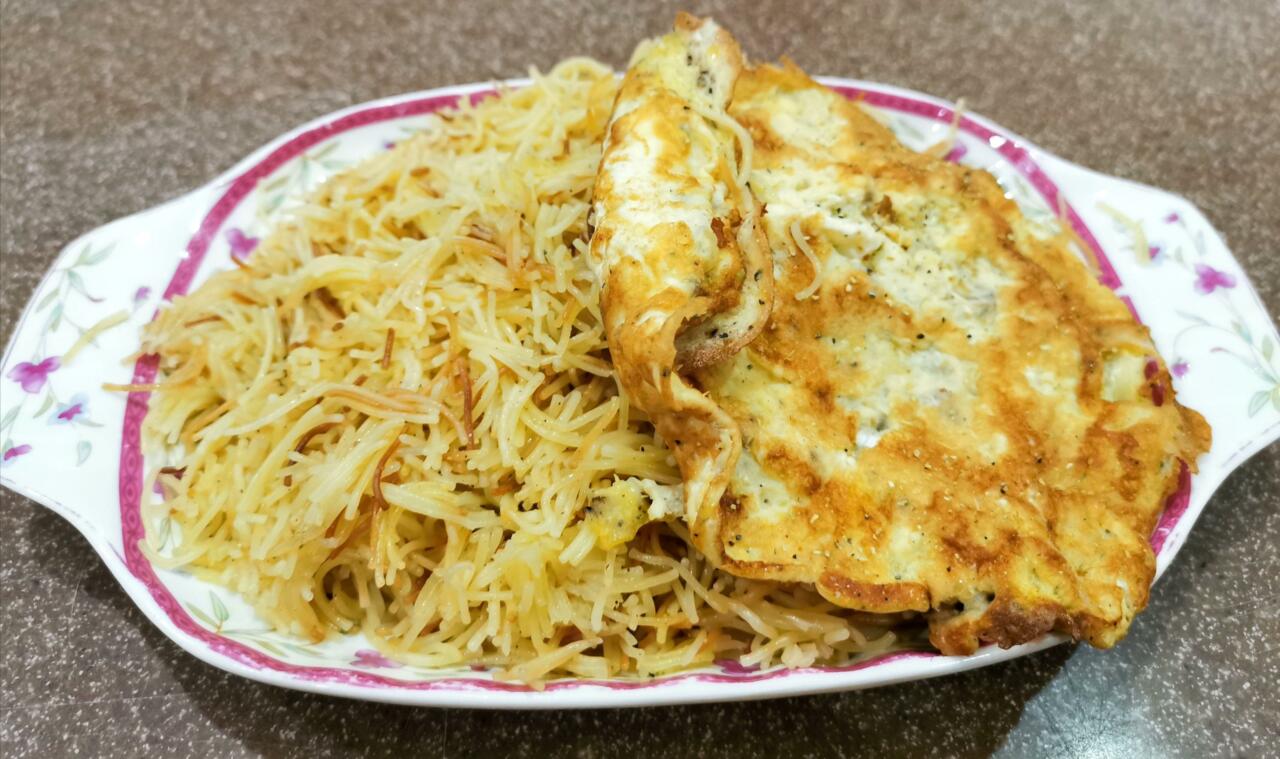
Balaleet is a delicious combination of sweetened vermicelli and eggs, infused with cardamom and saffron, and served with a plain omelette, and bread – tempting enough?
Baklava
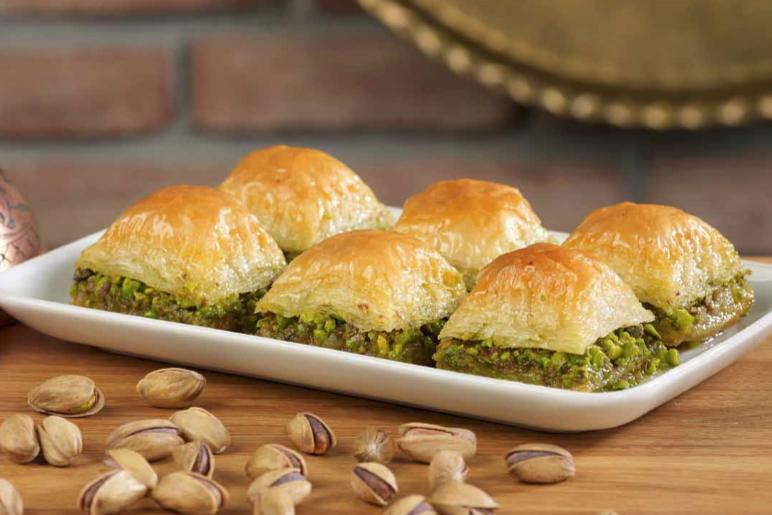
Baklava, the highly popular Turkish sweet, is another amazing dessert widely consumed during Ramadan. This wonderful dessert is cooked to perfection with thin layers of Filo dough and is served with chopped nuts, raisins, and cashew, bound together with honey or syrup, making it one of the many Ramadan desserts to watch out for.
Kunafa
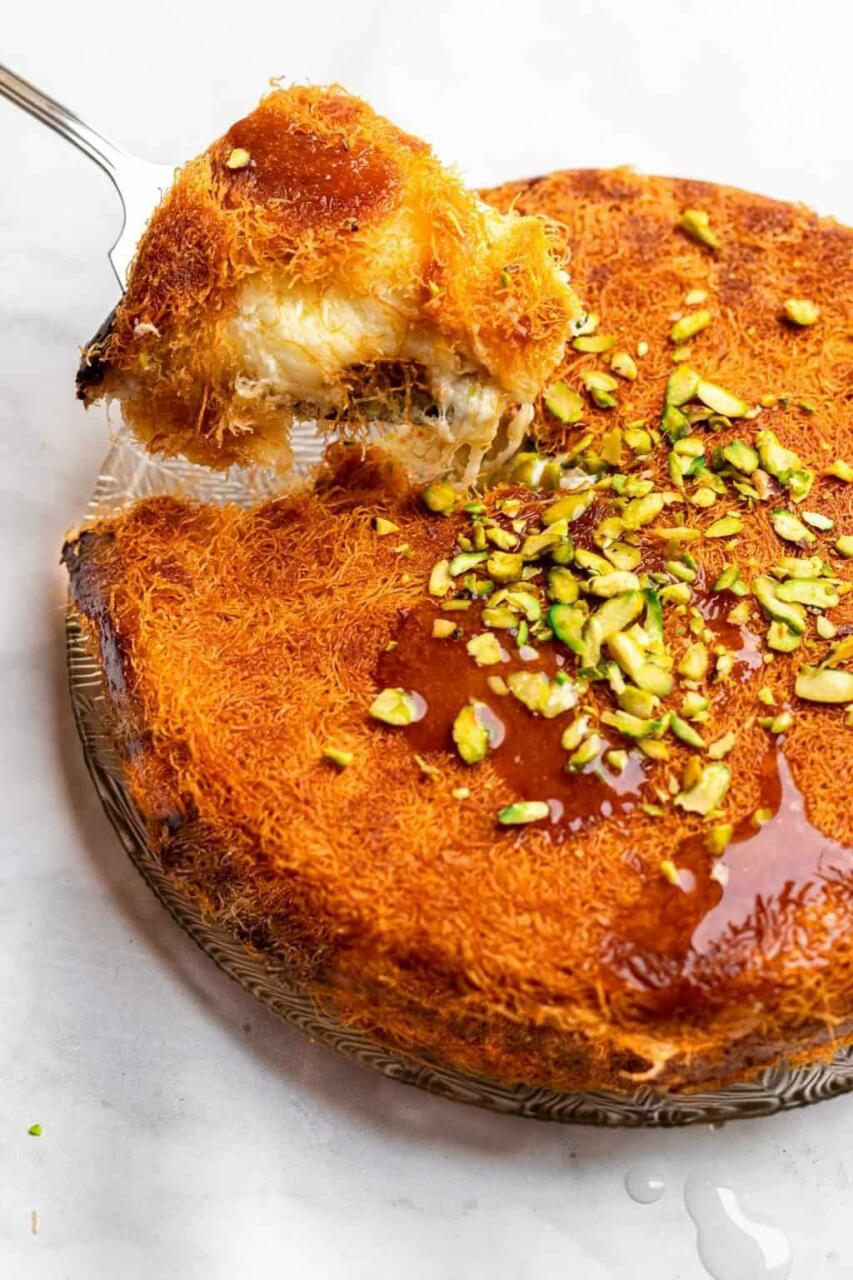
Kunafa (also known as Kanafeh, Knafeh, Kanafa, Konafi) is a decadent Middle Eastern dessert that is popular not just during Ramadan, but around the year. This traditional vermicelli cheese pastry is made of butter, water, lemon juice, rose water, vanilla essence, almonds, pistachios, cheese, raisins, cinnamon, and sugar, and baked to a golden hue for about 30 to 45 minutes.
Basbousa
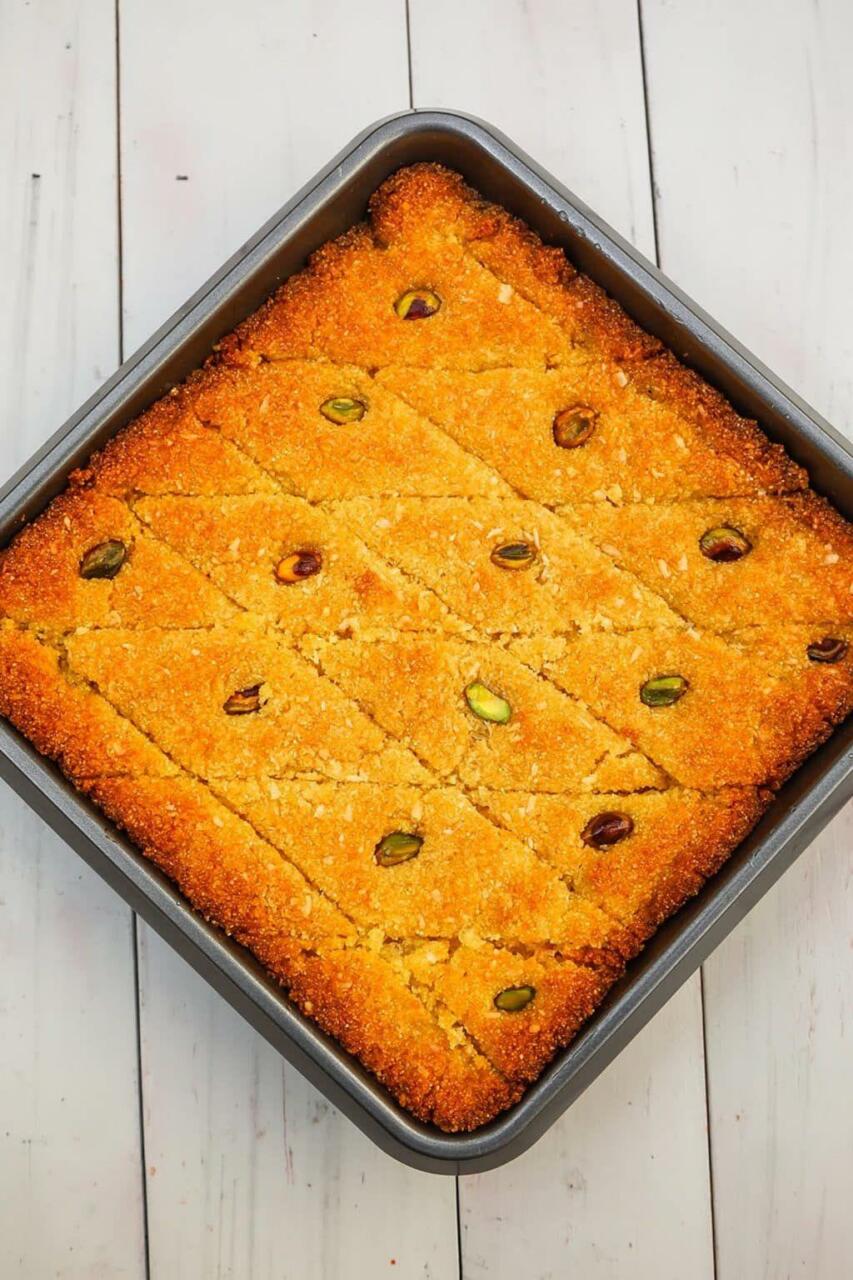
Basbousa is a simple semolina cake soaked in syrup and served with almonds. The dessert is comprised of semolina flour, butter, sugar, lemon juice yoghurt, and coconut.
Maamoul
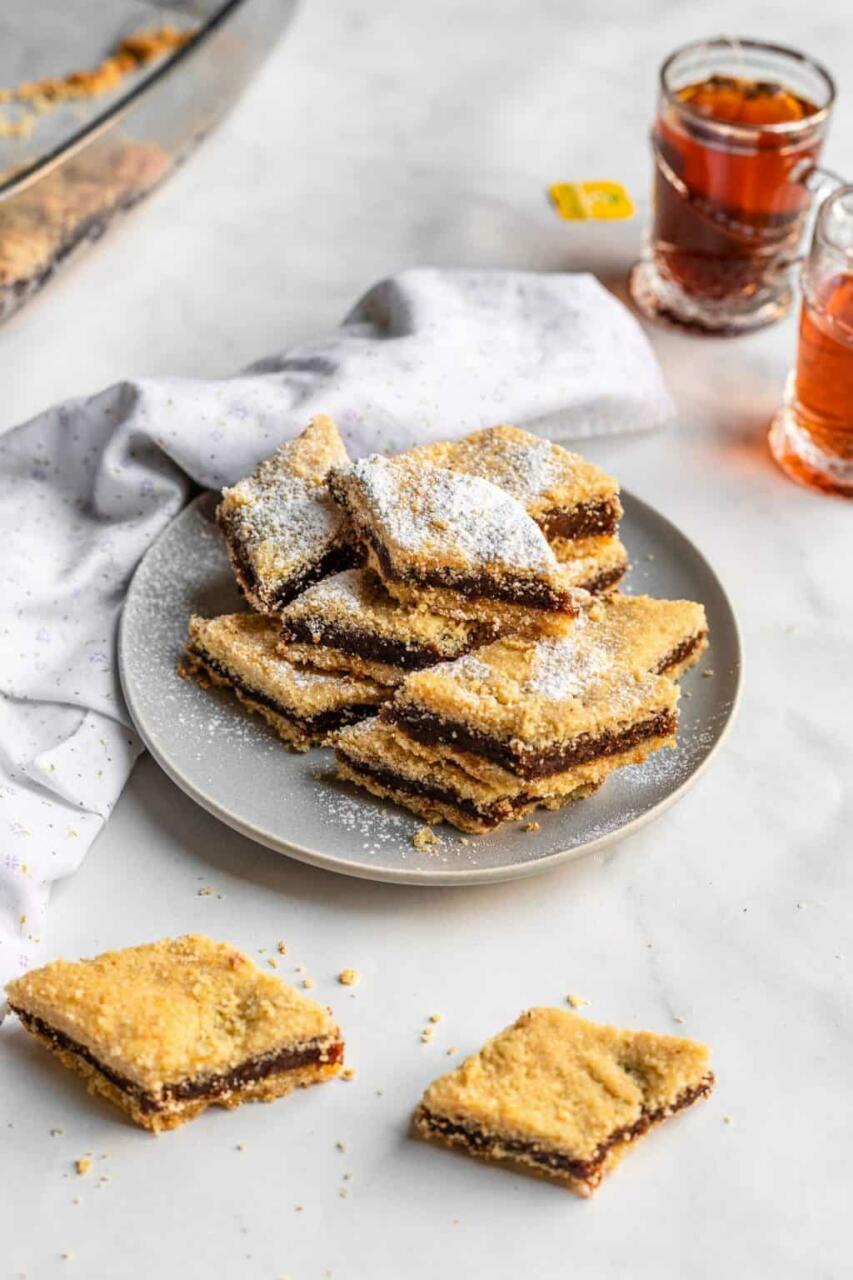
Maamoul is a small shortbread pastry made of dates, pistachios, walnuts, almonds, figs and other dry fruits. It is very popular and widely consumed in Syria, Jordan, Lebanon and Palestine.
Umm Ali
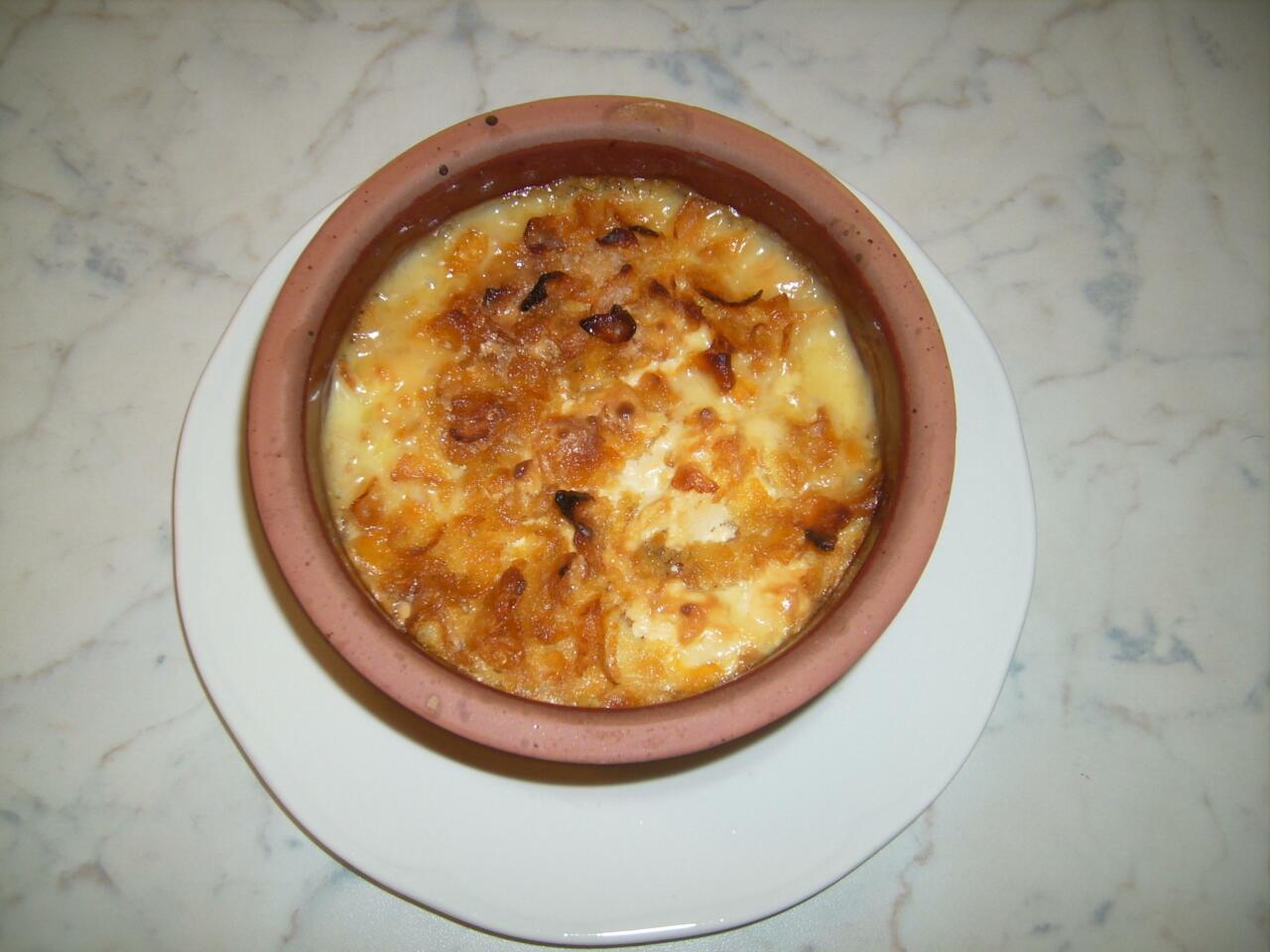
Umm Ali is a delicious gastronomical dessert that originated from the core of Arabia. This delicious creamy pudding is served after Iftar meals and should be on your list of traditional sweets to try this Ramadan.